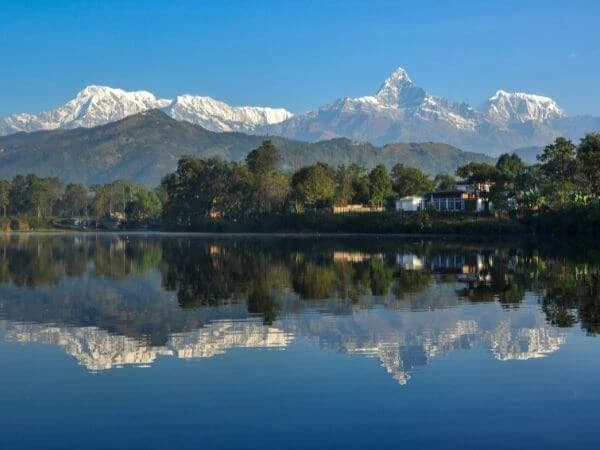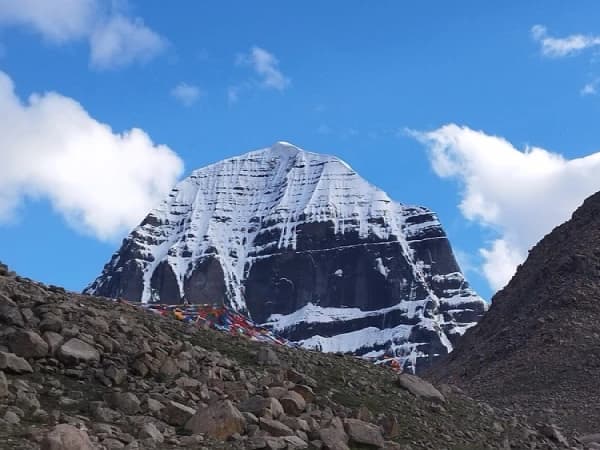

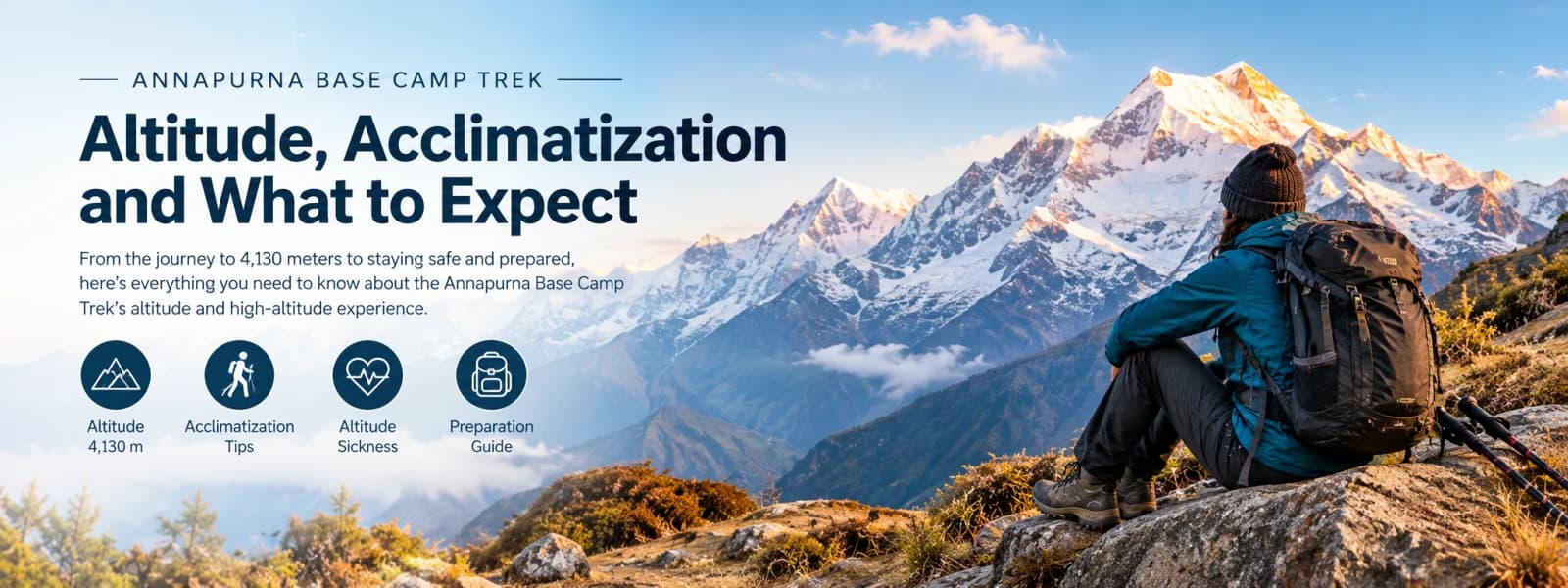
The Annapurna Base Camp Trek takes trekkers from the green foothills of the Annapurna region into a high mountain sanctuary surrounded by some of Nepal's most impressive Himalayan peaks. Along the way, the trail passes through villages, forests, terraced hillsides, rivers, and increasingly rugged mountain landscapes.
One of the most important things to understand before starting the trek is the elevation change. Annapurna Base Camp sits at 4,130 meters (13,550 feet) above sea level, so the trek reaches a genuine high-altitude environment. Nepal's official tourism information also places Annapurna Base Camp at approximately 4,130 meters.
The altitude is one reason preparation and a sensible itinerary matter. In this guide, we cover Annapurna Base Camp Trek altitude, elevation along the route, acclimatization, altitude sickness, preparation, weather, and what trekkers can expect as they move toward ABC.
How High Is Annapurna Base Camp?
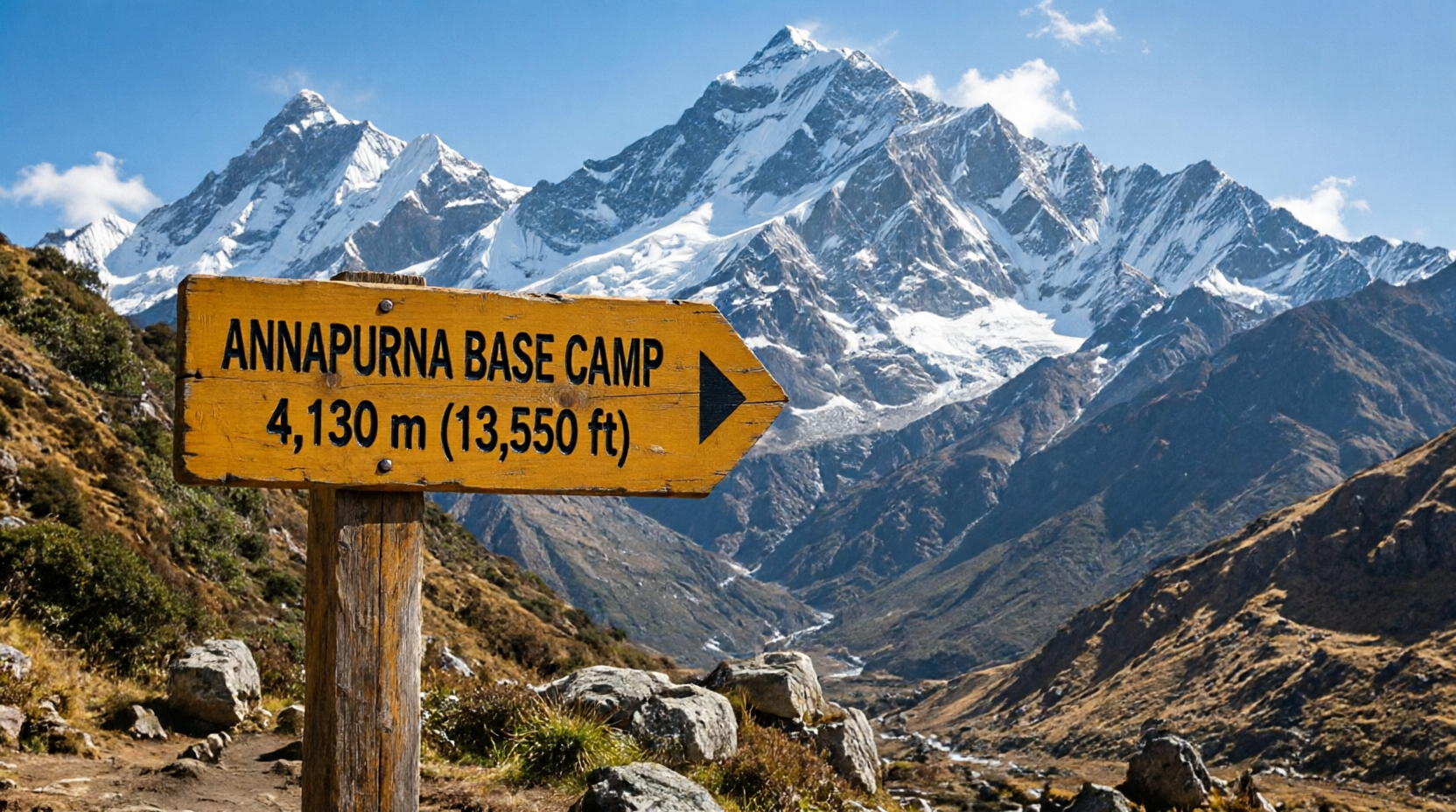
The Annapurna Base Camp altitude is 4,130 meters, equivalent to approximately 13,550 feet above sea level.
ABC is located inside the Annapurna Sanctuary, a high mountain basin surrounded by peaks including Annapurna I, Annapurna South, Hiunchuli, and Machhapuchhre, also known as Fishtail. Reaching 4,130 meters is considerably higher than the starting areas of the trek. The trail therefore involves a significant change in altitude over several days.
The journey is not simply about reaching the highest point. The gradual change from lower elevations to the Annapurna Sanctuary is an important part of the trekking experience and gives trekkers time to adjust to the changing environment.
Annapurna Base Camp Elevation at a Glance
Annapurna Base Camp Elevation at a Glance
| Location | Approximate Elevation |
| Pokhara | 822 m |
| Ghandruk | 1,940 m |
| Chhomrong | 2,170 m |
| Bamboo | 2,310 m |
| Deurali | 3,230 m |
| Machhapuchhre Base Camp | 3,700 m |
| Annapurna Base Camp | 4,130 m / 13,550 ft |
The exact stops and elevations can vary depending on the itinerary and route used. Regulus Nepal's current ABC itinerary, for example, places Ghandruk at 1,940 m, Chhomrong at 2,170 m, Deurali at 3,230 m, and Annapurna Base Camp at 4,130 m.
Annapurna Base Camp Trek Altitude: How Much Does the Elevation Change?
The Annapurna Base Camp Trek altitude changes significantly throughout the journey. The lower part of the route begins in a much warmer environment, with forests, terraced farmland, and traditional villages. As the trail climbs, the landscape changes gradually. You pass through areas such as:
-
Ghandruk
-
Chhomrong
-
Sinuwa
-
Bamboo
-
Dovan
-
Deurali
-
Machhapuchhre Base Camp
-
Annapurna Base Camp
The surroundings become increasingly alpine as you move higher. Forests become thinner, the landscape becomes more rugged, and the mountain environment becomes more exposed. This gradual transition is one of the defining characteristics of the trek.
What Is the Highest Point of the ABC Trek?
For the standard Annapurna Base Camp Trek, the highest destination is Annapurna Base Camp itself at approximately 4,130 meters.
This is different from climbing Annapurna I.
Annapurna Base Camp
4,130 m / 13,550 ft
Mount Annapurna I
8,091 m / approximately 26,545 ft
Annapurna I is one of the world's highest mountains, while Annapurna Base Camp is the trekking destination located within the sanctuary beneath the surrounding peaks. Trekkers do not climb Annapurna I during the ABC Trek. Instead, they reach the base camp and experience the mountain environment from the sanctuary.
Why Is Annapurna Base Camp Considered a High-Altitude Trek?
At higher elevations, atmospheric pressure decreases, and each breath delivers less oxygen than at sea level. The CDC explains that high-altitude environments reduce air pressure and lower oxygen availability. The effect becomes increasingly important as elevation rises, particularly for travelers who have not had time to acclimatize.
This means that activities that feel easy at lower elevations can feel more demanding during a high-altitude trek. You may notice:
-
Faster breathing while walking uphill
-
Increased tiredness
-
Reduced walking pace
-
Changes in sleep
-
Headaches
-
Reduced appetite
Not every symptom is necessarily caused by altitude, but trekkers should pay attention to how they feel as they climb.
What Is Acclimatization?
Acclimatization is the process through which the body adjusts to reduced oxygen availability at higher elevations. The body begins adapting after ascending to altitude, but the process takes time. According to the CDC, the acute acclimatization process is particularly important during the first several days after ascent.
This is why trekking itineraries should avoid gaining elevation too quickly. A good high-altitude trekking plan considers:
-
Sleeping elevation
-
Daily elevation gain
-
Rest and acclimatization days where appropriate
-
Walking pace
-
Individual response to altitude
-
Weather and trail conditions
The aim is not to reach Annapurna Base Camp as quickly as possible. The aim is to reach it safely and enjoy the journey.
Annapurna Base Camp Acclimatization Tips
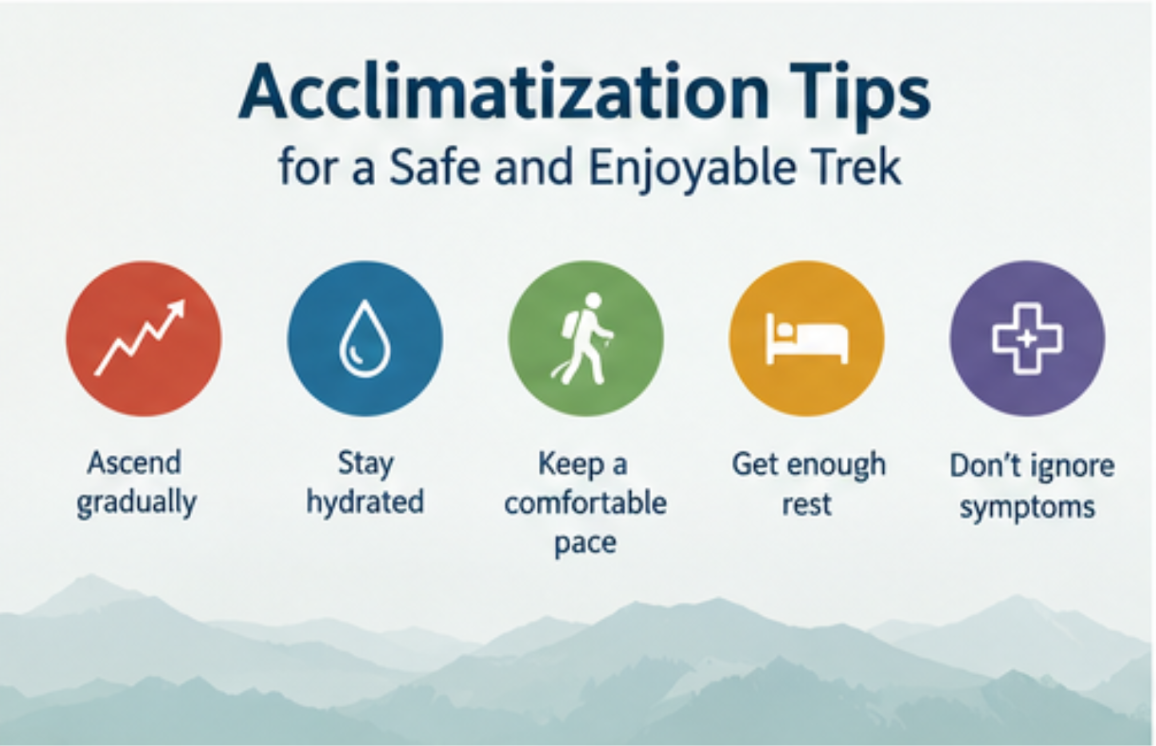
1. Ascend Gradually
One of the most important principles of high-altitude trekking is gradual ascent.
The CDC advises travelers to avoid moving from low elevation directly to a sleeping altitude above approximately 2,750 meters in a single day. Above 3,000 meters, its guidance recommends increasing sleeping elevation by no more than approximately 500 meters per day, with additional acclimatization time where possible.
A trekking itinerary should therefore allow the body to adjust as you move higher.
2. Keep a Comfortable Pace
You do not need to race other trekkers.
Walking at a steady and comfortable pace can help conserve energy, particularly when the trail becomes steeper and the air becomes thinner.
Your guide can also help you maintain an appropriate pace according to the route and conditions.
3. Stay Hydrated
Drink regularly during the trek and pay attention to your body's needs. Long walking days, dry mountain air, and physical activity can all contribute to fluid loss.
At the same time, drinking excessive amounts of water is not necessary. A balanced approach is better.
4. Get Enough Rest
Your body is working harder at altitude. A good night's rest can help you recover from the day's walking. If you are feeling unusually tired or unwell, tell your guide rather than simply pushing forward.
5. Do Not Ignore Symptoms
If you develop symptoms that could be related to altitude, inform your trekking guide.
Do not assume that you should simply continue climbing because you have already completed part of the day's route.
Your itinerary can be adjusted when necessary.
What Is Altitude Sickness?
Altitude sickness is a general term for health problems that can occur after ascending to high elevations without sufficient acclimatization.
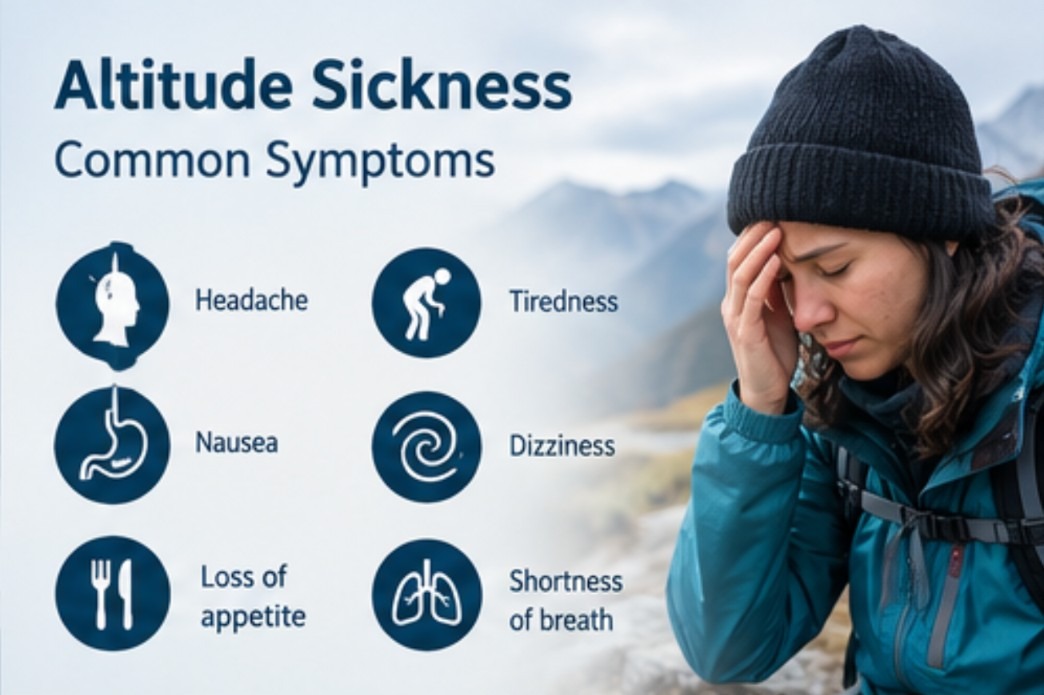
The mildest form is acute mountain sickness (AMS).
The CDC lists symptoms such as:
-
Headache
-
Tiredness
-
Loss of appetite
-
Nausea
-
Vomiting
More serious altitude-related conditions can also occur at high elevations.
The risk is not determined simply by fitness. The CDC notes that an individual's susceptibility varies and that the rate of ascent and altitude reached are important factors.Medical reference: For additional information about high-altitude travel, acclimatization and altitude illness, see the CDC Yellow Book guidance on High-Altitude Travel and Altitude Illness
Is Altitude Sickness Common on the Annapurna Base Camp Trek?
There is no way to guarantee that a particular trekker will or will not experience altitude sickness. People respond differently to altitude, and being physically fit does not eliminate the risk.
The best approach is to:
- Ascend gradually.
- Follow a sensible itinerary.
- Stay aware of symptoms.
- Tell your guide if you feel unwell.
- Avoid continuing higher when symptoms are getting worse.
- Descend when medically necessary.
The CDC recommends that travelers understand the symptoms of altitude illness and plan for situations where medical care may be difficult to access.
What Happens If You Feel Sick at High Altitude?
If you experience symptoms during the trek, tell your guide as soon as possible. Depending on the symptoms and circumstances, the appropriate response may include resting, stopping further ascent, monitoring the condition, or descending to a lower elevation.
Severe symptoms such as confusion, difficulty walking, serious breathing problems, or significant deterioration require urgent attention. High-altitude illness can become serious, so it should not be treated as something to simply push through.
If you have an existing medical condition, take regular medication, or have concerns about high-altitude travel, speak with a qualified healthcare professional before your trek.
Annapurna Base Camp Altitude and Trek Difficulty
Altitude is only one part of the difficulty of the trek.
The Annapurna Base Camp Trek also involves:
-
Long walking days
-
Steep ascents
-
Stone steps
-
Uneven trails
-
Descents
-
Changing weather
-
Cold temperatures at higher elevations
-
Several consecutive days of physical activity
The trail also passes through very different environments.
You can begin the journey surrounded by green hills and forests and eventually find yourself walking through a high mountain landscape at more than 4,000 meters.
For this reason, preparation should focus on both physical endurance and altitude awareness.
Can Beginners Do the Annapurna Base Camp Trek?
The ABC route is undertaken by trekkers with different levels of experience, including people who are new to Himalayan trekking.
However, being a beginner does not mean you should underestimate the trek.
Before starting, it is useful to prepare for:
-
Several hours of walking per day
-
Uphill and downhill sections
-
Consecutive trekking days
-
High-altitude conditions
-
Cold weather
-
Basic mountain accommodation
A suitable itinerary and experienced guide can also help first-time trekkers understand the pace and conditions along the route.
Want to know more about the trek's difficulty and how to prepare? Read our detailed guide, From Beginner to Pro: How to Prepare for Annapurna Base Camp Trek's Difficulty.
How to Prepare for Annapurna Base Camp Altitude
Preparation should begin before arriving in Nepal.
1. Improve Walking Endurance
Regular walking, hiking, stair climbing, and cardiovascular exercise can help prepare your body for long trekking days.
You do not need to become an elite athlete. Consistency is more useful than attempting extreme workouts shortly before the trip.
2. Practice With a Backpack
If you will carry a daypack during the trek, practice walking with a comfortable pack before travelling.
This allows you to adjust the fit and understand how your body responds to carrying weight.
3. Prepare for Different Weather
Lower elevations can feel warm during the day, while higher areas can be cold, especially in the morning and evening.
Layering your clothing makes it easier to adjust to changing conditions.
4. Plan Enough Trekking Days
Avoid choosing an itinerary simply because it is the shortest available option.
The number of days should allow you to walk comfortably and gain altitude at a sensible pace.
Annapurna Base Camp Weather and Altitude
Weather changes with elevation.
Lower sections of the route can have relatively mild conditions, while the higher parts of the Annapurna Sanctuary are colder and more exposed.
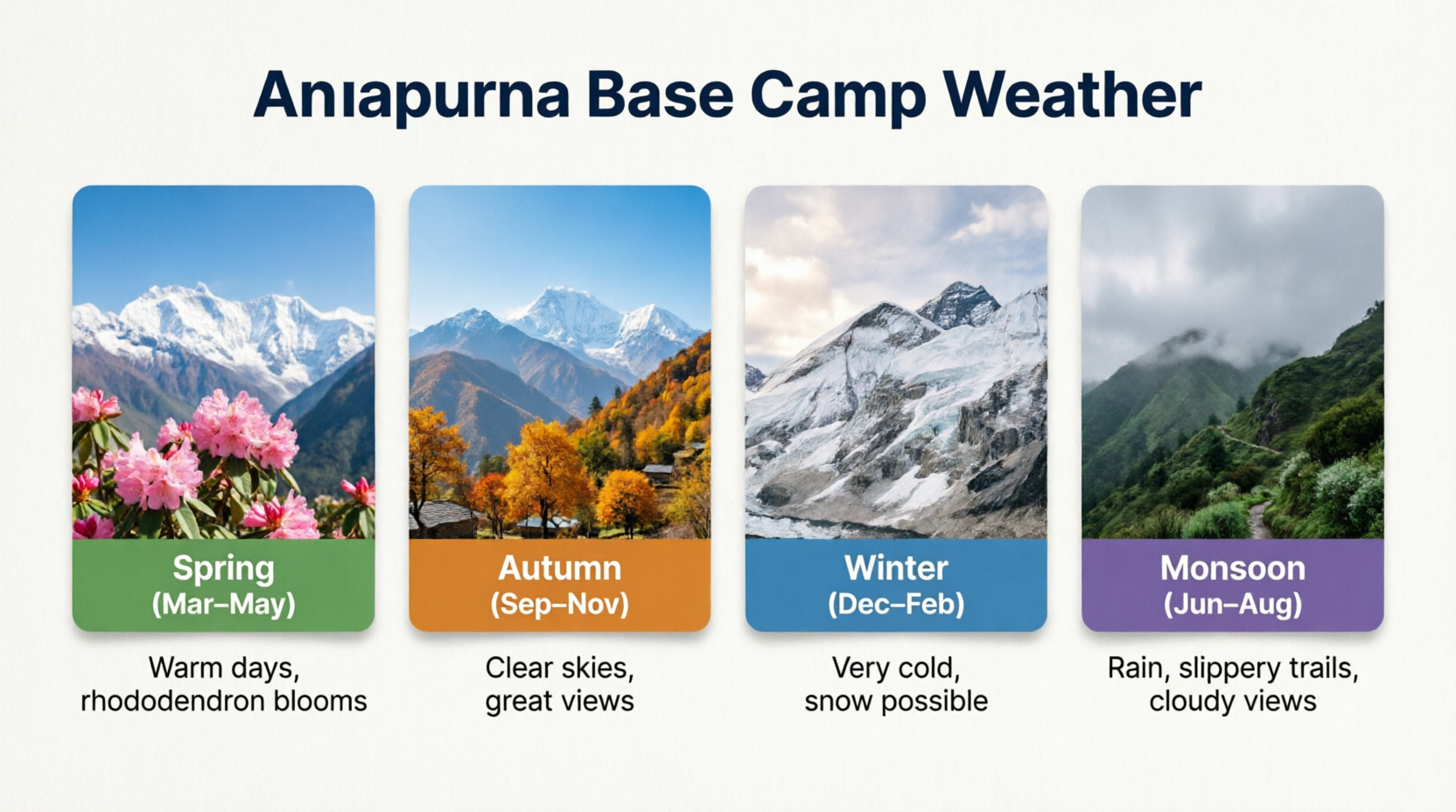
The best-known trekking seasons are generally:
Spring: March to May
Spring brings warmer conditions at lower elevations and is known for rhododendron blooms in the hills.
Autumn: September to November
Autumn is a popular period for trekking because conditions are often favorable for mountain views and trekking.
Winter: December to February
Higher parts of the route can be very cold during winter, and snow and changing conditions can affect the trail.
Monsoon: June to August
Rain can affect lower sections of the Annapurna region during the monsoon. Trail conditions can become wet and slippery, and clouds can limit mountain visibility.
Weather can vary from year to year, so trekkers should check current conditions before departure.
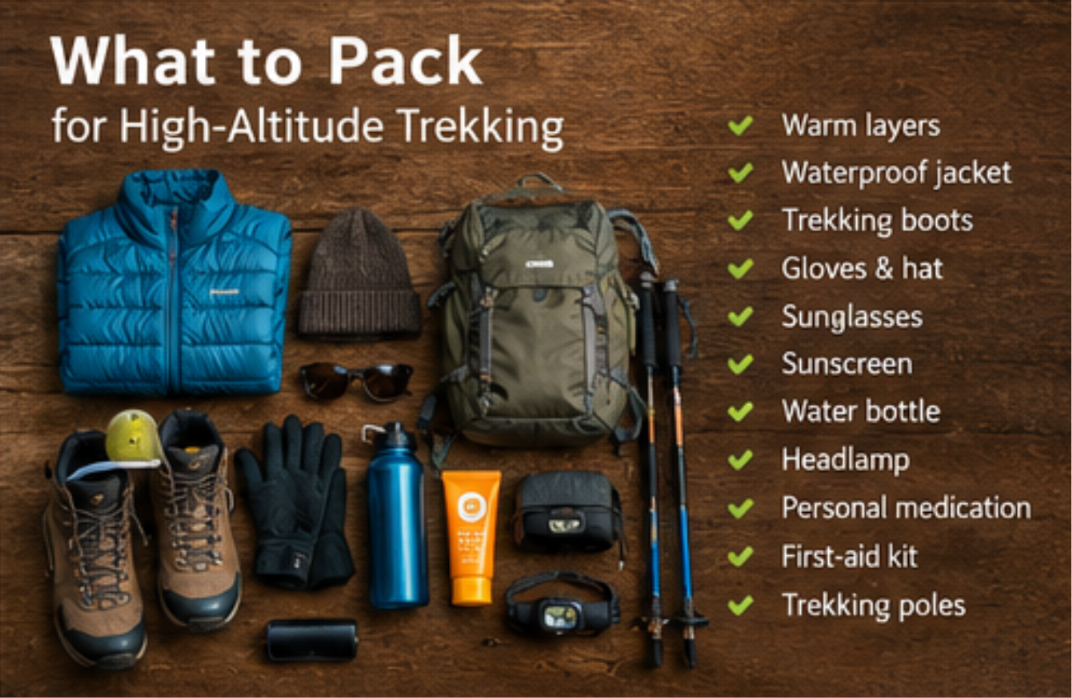
What Should You Pack for High-Altitude Trekking?
A suitable packing list helps you deal with changing temperatures and mountain conditions.
For the ABC Trek, consider carrying:
-
Waterproof trekking jacket
-
Warm fleece or insulating layer
-
Base layers
-
Trekking trousers
-
Warm hat
-
Gloves
-
Sunglasses
-
Sunscreen
-
Comfortable trekking boots
-
Warm trekking socks
-
Water bottle
-
Headlamp
-
Personal medication
-
Basic first-aid supplies
-
Trekking poles if preferred
-
Sleeping bag suitable for the season
Your exact packing requirements will depend on the season, itinerary, and accommodation arrangements.
Annapurna Base Camp Trek Altitude Compared With Other Himalayan Treks
Annapurna Base Camp is high enough to require proper acclimatization, but it is not among the highest trekking destinations in Nepal.
The comparison is useful because people sometimes assume that reaching a Himalayan base camp means reaching the same elevation everywhere.
For example:
|
Trek Destination |
Approximate Elevation |
|
Annapurna Base Camp |
4,130 m |
|
Mardi Himal Base Camp |
Around 4,500 m |
|
Thorong La Pass |
5,416 m |
|
Everest Base Camp |
Around 5,364 m |
These are different trekking destinations with different routes, elevation profiles, and acclimatization requirements.
The Annapurna Base Camp route does not cross the 5,416-meter Thorong La Pass because that pass belongs to the Annapurna Circuit.
Which Annapurna Trek Is Right for You?
The Annapurna region offers several trekking options, so you can choose a route based on your available time and the type of experience you want.
1. For a longer Himalayan adventure:
If you have more time and want to experience a longer journey through the Annapurna region, consider the Annapurna Circuit Trek. This 23-day itinerary takes you through diverse landscapes, mountain villages, and high-altitude terrain, making it a good option for trekkers looking for an extended Himalayan experience.
2. For a shorter Annapurna experience:
If you have limited time but still want to experience the Annapurna mountains, the Annapurna Base Camp Short Trek – 9 Days offers a shorter itinerary to the famous base camp. It can be suitable for travelers who want to experience the ABC route without committing to a longer trekking schedule.
3. For trekkers who want to visit Tilicho Lake:
To combine the Annapurna experience with one of the region's famous high-altitude lakes, consider the Annapurna Circuit Trek with Tilicho Lake. This option combines the classic Annapurna Circuit experience with a visit to Tilicho Lake, giving you another highlight to include in your Himalayan journey.
Explore more Annapurna trekking options:
Visit our Annapurna Region Trekking page to explore the different routes and itineraries available.
Annapurna Base Camp Route and Elevation Gain
The route generally moves from the lower hills toward the sanctuary through a series of villages and forested sections.
A typical route includes locations such as:
Ghandruk → Chhomrong → Bamboo → Deurali → Machhapuchhre Base Camp → Annapurna Base Camp
As you move from one section to the next, the landscape and elevation change.
The final section toward ABC takes you into the mountain sanctuary, where the surrounding peaks become increasingly dominant.
The exact route can vary according to the itinerary selected, trail conditions and local transportation arrangements.
Is 4,130 Meters Dangerous?
4,130 meters is a high elevation, but the number itself does not mean that every trekker will experience a medical problem.
What matters is how the body responds to altitude and how quickly elevation is gained.
The CDC explains that any unacclimatized traveler sleeping at approximately 2,450 meters or higher can be at risk of altitude illness, with risk affected by factors including altitude and rate of ascent.
This is why trekkers should take altitude seriously even when they feel physically fit.
How Long Does It Take to Adjust to High Altitude?
Acclimatization begins after ascending, but the process takes time.
The CDC notes that the acute phase of acclimatization is particularly important during the first 3–5 days after ascent.
This does not mean that every trekker will adjust on the same schedule. Your previous experience at altitude, ascent rate, sleeping elevation, and individual response can all influence how you feel.
For this reason, trekking itineraries should be designed with reasonable elevation changes rather than relying on a fixed number of hours for everyone.
How to Make the Most of the ABC Trek
Understanding the altitude is only one part of preparing for the journey. The Annapurna Base Camp Trek is also an opportunity to experience:
-
Gurung and Magar communities
-
Traditional mountain villages
-
Rhododendron and bamboo forests
-
Himalayan landscapes
-
Machhapuchhre
-
Annapurna South
-
Hiunchuli
-
The Annapurna Sanctuary
-
Mountain hospitality
-
The changing landscapes of the Annapurna region
The gradual transformation from green foothills to a high alpine environment is one of the reasons the route attracts trekkers from around the world.
Plan Your Annapurna Base Camp Trek
The Annapurna Base Camp Trek altitude is an important part of the experience, but it should not be the only thing you consider when preparing for the journey. A well-planned itinerary, gradual ascent, appropriate equipment, and awareness of altitude symptoms can help you prepare for the high mountain environment.
From the lower villages and forests to the dramatic Annapurna Sanctuary, the route offers a changing landscape throughout the journey.
If you are ready to explore the Annapurna region, check the Annapurna Base Camp Trek package by Regulus Nepal for the itinerary, route, services, and trip details. You can also contact the Regulus Nepal team to discuss your preferred trekking duration and requirements.
Plan your Annapurna Base Camp adventure with Regulus Nepal and experience the Himalayas beyond the ordinary.

Frequently Asked Questions About Annapurna Base Camp Trek Altitude
🏔️ Altitude & Elevation Details
1. What is the Annapurna Base Camp (ABC) trek altitude/elevation?
The Annapurna Base Camp trek reaches its maximum elevation of 4,130 meters (13,550 feet) at the base camp itself. For European hikers looking for a comparison, this is higher than the highest peak in the Alps (Großglockner at 3,798m), meaning proper acclimatization is required.
2. What is the highest point of the ABC Trek?
The highest point you will reach on this standard itinerary is Annapurna Base Camp at 4,130m. Unlike circuit treks, this is a dead-end sanctuary, meaning you will spend the night at this peak altitude before descending.
3. Is Annapurna Base Camp higher than Thorong La Pass?
No, it is significantly lower. Annapurna Base Camp sits at 4,130m, whereas Thorong La Pass—the highest point of the neighboring Annapurna Circuit—reaches a much more demanding 5,416 meters.
4. What is the difference between Annapurna Base Camp and Annapurna I?
Annapurna Base Camp (4,130m) is the final destination for trekkers and requires no technical climbing. Annapurna I (8,091m) is the lethal mountain peak towering above the camp. Reaching the base camp allows you to view the south face but involves absolutely no mountaineering or high-altitude climbing.
🥾 Safety, Altitude Sickness & Preparation
5. Is altitude sickness common on the Annapurna Base Camp trek?
Yes, Acute Mountain Sickness (AMS) is a real risk because the trail crosses the critical 3,000-meter threshold and tops out above 4,000m. Anyone ascending too quickly without built-in rest days can be affected, regardless of fitness level.
6. Can beginners successfully hike the ABC trek?
Yes, many first-time Himalayan trekkers complete the route safely. However, European beginners should not underestimate the physical toll of climbing thousands of stone steps or the thin air above 3,000m. Excellent physical
7. How can I prepare for the altitude at Annapurna Base Camp?
To prepare effectively:
-
Choose a gradual itinerary that limits your daily ascent to 300–500m once above 3,000m.
-
Build excellent cardiovascular endurance by hiking or running months prior.
-
Stay highly hydrated, drink 4–5 liters of water daily on the trail, and avoid alcohol.
-
Familiarize yourself with early AMS symptoms (headache, dizziness, loss of appetite) before leaving Europe