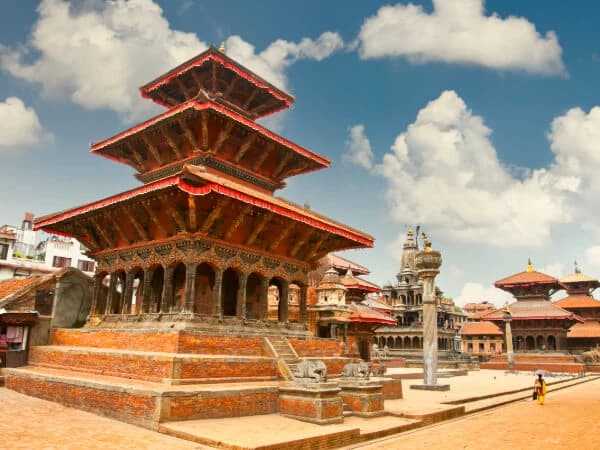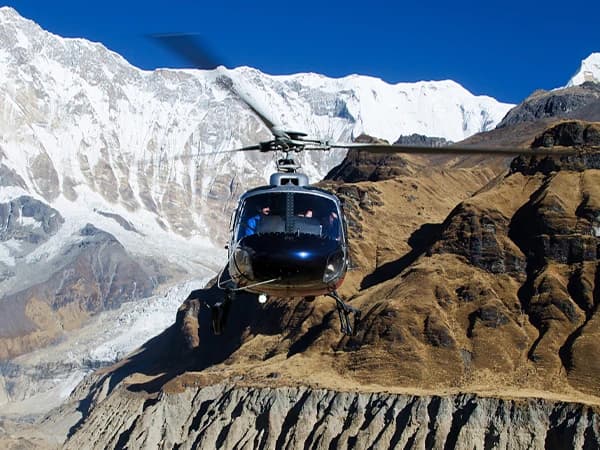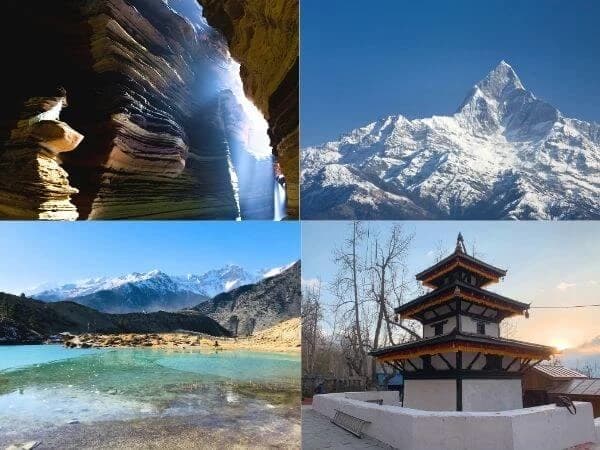

Join us on a spiritual journey through Nepal that will enrich your life. Nepal is a country rich in heritage and holy practices. This carefully organized itinerary guides you to Nepal's most sacred spiritual places, where you can also practice meditation and yoga and find out about the local culture. Regulus designed a 10-day Nepal spiritual tour package starts from the capital city Kathmandu. A vibrant city rich in historical temples with outstanding architecture and local culture. Strong beliefs, gorgeous landscapes, and interesting history make Nepal a spiritual paradise.
Important Facts About a Spiritual Trip to Nepal
- Explore the UNESCO Listed World Heritage Sites in Kathmandu.
- Visit the peaceful Namo Buddha to meditate.
- Journey to Lumbini, where Lord Buddha was born.
- Participate in the spiritual practice at Pashupatinath and Muktinath temples
- Explore the peaceful temples by the lake in Pokhara.
- Practice yoga and mindfulness exercises.
What makes Nepal a renowned destination for spiritual tourism?
Nepal is popular for spiritual tourism because it has an abundance of historical rituals, spiritual sites, and tranquil scenery. All of these things make the country a great place to explore your religious beliefs and develop as an individual. Nepal is an inspirational destination that attracts people from all over the world. It is home to the birthplace of Lord Buddha and is surrounded by the majestic Himalayas. Below are some of the major points that better describe why Nepal is recognized for its spiritual tourism.
-
Origination of Buddhism: Lumbini, which is a UNESCO World Heritage Site, is recognized as the place where Siddhartha Gautama was born. Siddhartha Gautam who later became the Buddha and started Buddhism. The travelers go to Lumbini to follow in the Buddha's footsteps and to explore the peaceful gardens and monasteries that honor his teachings of kindness, awareness, and happiness.
-
Major Hindu Sites: Among them, the Pashupatinath Temple in Kathmandu is one of the most major Hindu shrines in the world dedicated to Lord Shiva. The pilgrims and religious travelers alike visit this decades-old temple site to observe the sacred practices, experience the powerful funeral ceremonies by the Bagmati River, and get in touch with the fundamental principles of Hinduism's spirituality.
-
Meditation and Retreat Centers: Nepal is a popular place for yoga, meditation, and health retreats because of its peaceful nature and natural beauty. Seminars and trainings operated by skilled teachers in a variety of practices are available at centers all over the country, but mainly in and around Kathmandu and Pokhara. You will get an experience of a deep sense of peace and clarity by meditating in a peaceful, mountainous environment.
-
Hiking for Mindfulness: What can be a better place than the Himalayas to think about spiritual things? Being in the lap of a mountain in either the Annapurna region or the Everest region, one can get rid of everyday life anxieties. Enjoy some quiet me time and connect more deeply with nature and with yourself.
-
Spiritual Celebrations and Cultural Heritage: All of the celebrated festivals of Nepal carry different meanings of life, are spiritually connected, and are also full of devotion. Festivals like Dashain, Tihar, and Buddha Jayanti bring people together. Nepal's spirituality is a mix of Buddhist and Hindu traditions. You will observe many religious ceremonies and daily rituals during this trip.
-
Friendly and Religious people: The major attraction for spiritual tourism in Nepal is the friendly and religious people, so open and accepting. Respecting nature, being humble, and following traditions are all important parts of their way of life. Such behavior lets travelers think about the ideals of patience, generosity, and gratitude.
Let's not just make Nepal a place to visit, but rather make it a way to connect with something bigger than yourself, heal, and become more spiritual.
Why is Nepal a famous place for spiritual travelers?
Nepal is a place where Hindu and Buddhist beliefs come together, making for deep religious experiences. There are holy churches, stupas, and meditation centers in the country that attract people from all over the world who are looking for peace and insight. Its unique spiritual history is shown by places like Lumbini (where Buddha was born), Pashupatinath Temple, and Swayambhunath Stupa.
Which city in Nepal is regarded as the most spiritual?
The most sacred place in Nepal, the capital city Kathmandu, is a homeland to many sacred sites, including the Pashupatinath Temple, Swayambhunath Temple (the Monkey Temple), and the Bouddhanath Stupa. These places are regarded as vital spiritual destinations among both the Hindus and Buddhists.
What kinds of spiritual practices are popular in Nepal?
In Nepal, people often practice their faith by meditating, praying, making offerings at temples, walking around stupas, and participating in cultural celebrations. In retreats, both visitors and pilgrims can do yoga, participate in prayer rituals, and live like monks.
Ideal Time to Explore Nepal for a Spiritual Trip
Spring (March to May) and Autumn (September to November) are the best months to embark on a spiritual trip, as these seasons provide the most suitable environments. Spring brings colorful blossoms, ample greenery, and a promising atmosphere perfect for meditation, spiritual sites visit and nature outings. The moderate temperature makes outdoor activities more satisfying, which magnifies the whole spiritual experience.
Post-monsoon, November also brings clear air, freshness, and breathtaking scenery. During November, in Nepal, many festivals carrying spiritual importance are celebrated, and so this season is perfect for really supporting local cultures. Both seasons promise peaceful options, mild temperatures, and clear weather so that guests may truly connect with their surroundings and boost their spiritual experience.
Important Spiritual Sites to Explore on a Nepal Spiritual Tour
1. Namo Buddha
Namo Buddha is an important Buddhist pilgrimage located about 40 km southeast of Kathmandu. It relates to the history of a selfless prince who, in order to reflect great kindness and sacrifice, sacrificed his life to a hungry tigress and her cubs. This place provides a serene environment perfect for contemplation and spiritual practice.
Namobuddha is deeply rooted in mythological stories. It is believed that a kind prince offered himself to a starving tigress and her cubs to save them.This act of kindness represents two fundamental Buddhist lessons: kindness and sacrifice. Here, visitors prioritize and participate in spiritual activities in order to reach the core of such lessons.
2. Swayambhunath—the Monkey Temple
Rising over 2,500 years, Swayambhunath, which is also known as the Monkey Temple, is among Nepal's oldest sacred structures. Believed to have originated in a lotus in the valley, it represents the rebirth of the soul. The site's magnificent views and energy fit well for internal reflection. The stupa from ancient times combines Buddhist and Hindu concepts. According to the history behind Swayambhunath, it evolved naturally from the lake that previously covered the Kathmandu Valley. Regarded as the core of harmony, it brings enlightenment and awakening to spirituality.
3. Boudhanath Stupa
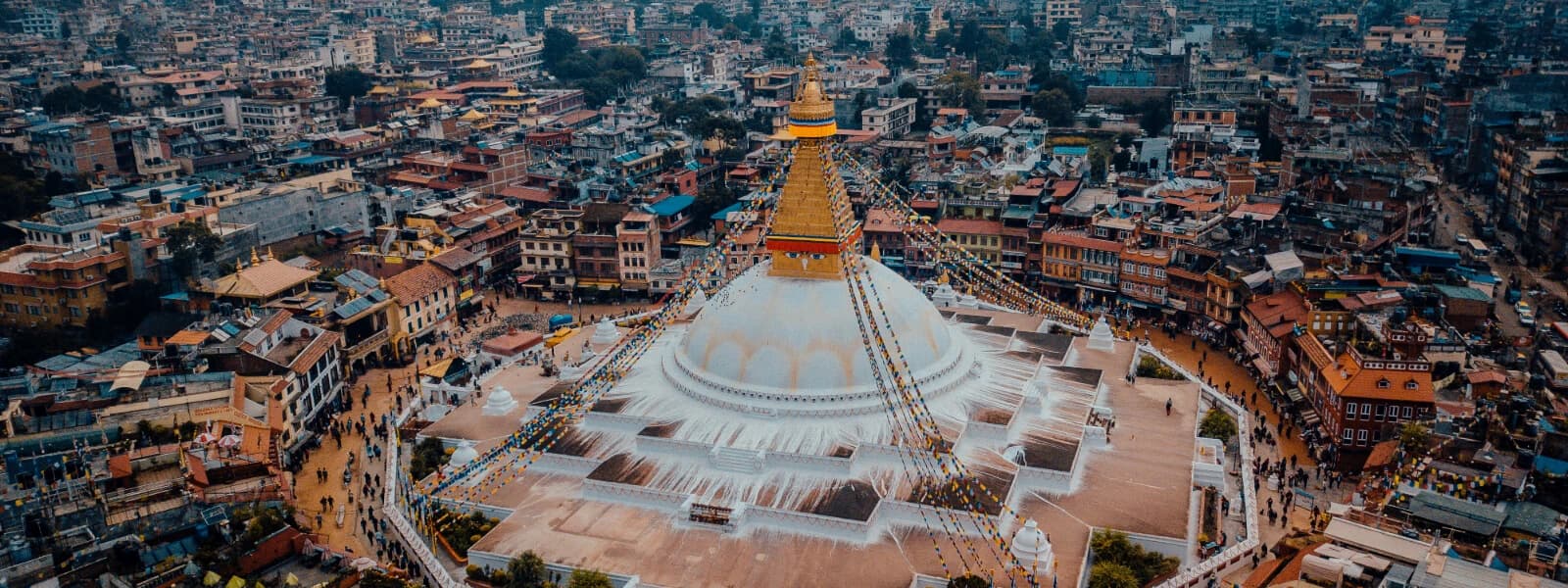
For Tibetan Buddhists, Boudhanath Stupa is a major pilgrimage site noted for its large dome and all-seeing Buddha eyes. Walking around the stupa while spinning prayer wheels is supposed to help one clear their karma since it stands for the road to enlightenment.
4: Lumbini
The Rupandehi area is where Siddhartha Gautama, who subsequently became the Buddha, was born. Globally respected and drawing pilgrims looking for peace and understanding is this UNESCO World Heritage Site is globally respected and draws pilgrims looking for peace and understanding. Important sites, including the Maya Devi Temple, precisely identify the birthplace of Buddha. The worldwide embrace of Buddhist ideas is shown by the Ashokan Pillar and monastic areas constructed by different nations. Drawing pilgrims from all around, it is a UNESCO World Heritage Site providing a Buddhist education and a tranquil experience.
5. Muktinath
Important for both Hindus and Buddhists, Muktinath, meaning "place of liberation," is a pilgrimage center. The temple is connected with the idea that soaking in its 108 water spouts brings atonement. Buddhists also find it holy, as Guru Rinpoche (Padmasambhava) is supposed to have meditated here. Often accompanied by breathtaking Himalayan landscapes, the road to spiritual release is represented by the travel to Muktinath.
6. World Peace Pagoda (Pokhara)
Built by a Japanese Buddhist, the World Peace Pagoda is designed to motivate harmony and peace among people of all races and religions and stands as a unification and peace symbol. Rising on a hill, the surroundings of World Peace Stupa support a calm environment fit for meditation and also provide breathtaking views of the Mt. Annapurna range and the beautiful Phewa Lake. Settled on a mountaintop with a view of Phewa Lake and the Annapurna range, it recalls one of the Buddhist teachings of nonviolence. Meditating on the beautiful surroundings of the World Peace Pagoda gives you peace and thought.
6. Pashupatinath Temple
Pashupatinath Temple is one of the major and most holy Hindu temples devoted to Lord Shiva. This is the only temple where people not only perform the worship but also execute the final rites and ask blessings for a better life cycle. Observing the rites here, one can experience the deep understanding of Hindu ideas on life, death, and rebirth. The complicated architecture and daily ceremonies provide guests with an original experience in Hindu spiritualism.
Dedicated to Lord Shiva, this temple is also a UNESCO-listed World Heritage Site located in Kathmandu near the bank of the holy Bagmati River. This is also regarded as one of the holiest locations for Hindus.
7. Bindhyabasini Temple (Pokhara)
Bindhyabasini Temple, a local spiritual activities center on this well-known Hindu pilgrimage destination honoring Goddess Durga. Its serene surroundings with breathtaking vistas inspire meditation and spiritual connection. Prayers here, it is thought, provide strength and protection.
8. Gupteshwor Mahadev Cave
Located next to Devi's Fall, this holy cave in Pokhara is a tribute to Lord Shiva, therefore fostering a magical surroundings fit for prayer and meditation. Visitors to this cave can establish a close relationship with the secrets of nature and heavenly power.
How These Sites Promote the Spiritual Journey
Every site on this journey definitely adds to the spiritual encounter.
- Multiple Practices:Visitors on this journey can observe the faith and meditation from a different perspective because this journey is a combination of Buddhist, Hindu, and universal spiritual traditions.
- Symbolic Journeys: Our specially curated itinerary traces a symbolic path from early bonds—the enlightenment at Swayambhunath—to spiritual freedom—the release desired at Muktinath.
- Meditation Spaces: The calm and peaceful surroundings of Namobuddha and the World of Peace Pagoda offer meditating areas to travellers that encourage mindfulness and inner peace.
What does Lumbini represent in the Buddhist belief?
Lumbini is identified as the birthplace of Siddhartha Gautam, who later became the Buddha. Lumbini is also one of the four most important places for Buddhists. Bodh Gaya, Saranath, Kushinagar, and Lumbini are the most significant Buddhist places in the world. Our spiritual journey to Lumbini will take you to visit the Maya Devi temple and the sacred garden, where you will find the different countries' Buddhist monasteries and learn about Buddhism.
Why is going to Muktinath Temple regarded as good for mental health?
Muktinath Temple is a well-known spiritual site among both Hindus and Buddhists. Muktinath carries equal importance in both religions accordingly. People indeed believe that if you want to be spiritually free and get "Moksha," visiting Muktinath once is mandatory. Both religion-following people go to Muktinath to do their rituals and take a holy bath in 108 water spouts to clean themselves, setting out to find salvation and inner peace, and relax in the peaceful mountain.